Transforming semi-arid landscapes into resilient, food secure ecosystems
Overview
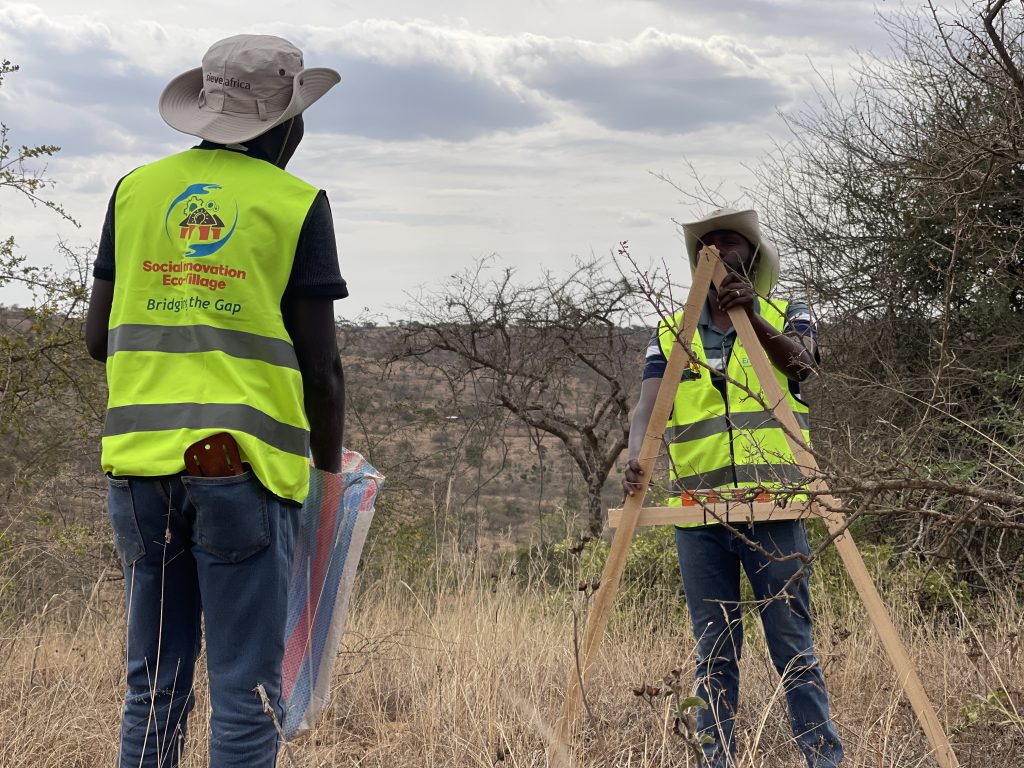
At the Social Innovation Eco-Village Enduata, sustainability is a way of life. We treat the land as our primary partner in building a resilient future. Following our team’s accreditation in global permaculture design, we have transitioned from traditional farming to a “Living Classroom” model—a system designed to restore overgrazed, rocky soil into a thriving, productive ecosystem.The canvas of the eco-village is changing. From above, it’s a patchwork of promise. On the ground, it’s even better!The transformation of this landscape is driven by intentional design. We use tools like the A-frame to map swales and earthworks that catch and store every drop of water, a critical strategy for 365-day resilience in Kajiado’s arid climate.
For easy accessibility, beautification and enhancement of the SIEVE landscape, we did a number of different landscaping activities as follows; enhanced our main access road through marraming, planting of trees along the access road and at the heritage center and created paths for easy accessibility around the Eco Village.
This infrastructure supports our goal of establishing a community demonstration farm that provides hands-on training for over 500 vulnerable youth and smallholder farmers annually. By focusing on land regeneration and indigenous tree propagation, we are restoring the biodiversity and soil health required for long-term food security.
Permaculture Demo Farm
The SIEVE project secured a key partner the Earth Allies Restoration Network(EARN)– for a five year collaboration to set up a regional permaculture training center at SIEVE. Through this collaboration two of our staff have attained a global permaculture accreditation through taking a Permaculture Design Certification Course at EARN’s Permaculture Training Campus in MainSprings Kitongo Tanzania. EARN will provide technical assistance during design implementation as well as funding the project’s implementation for the next five years.
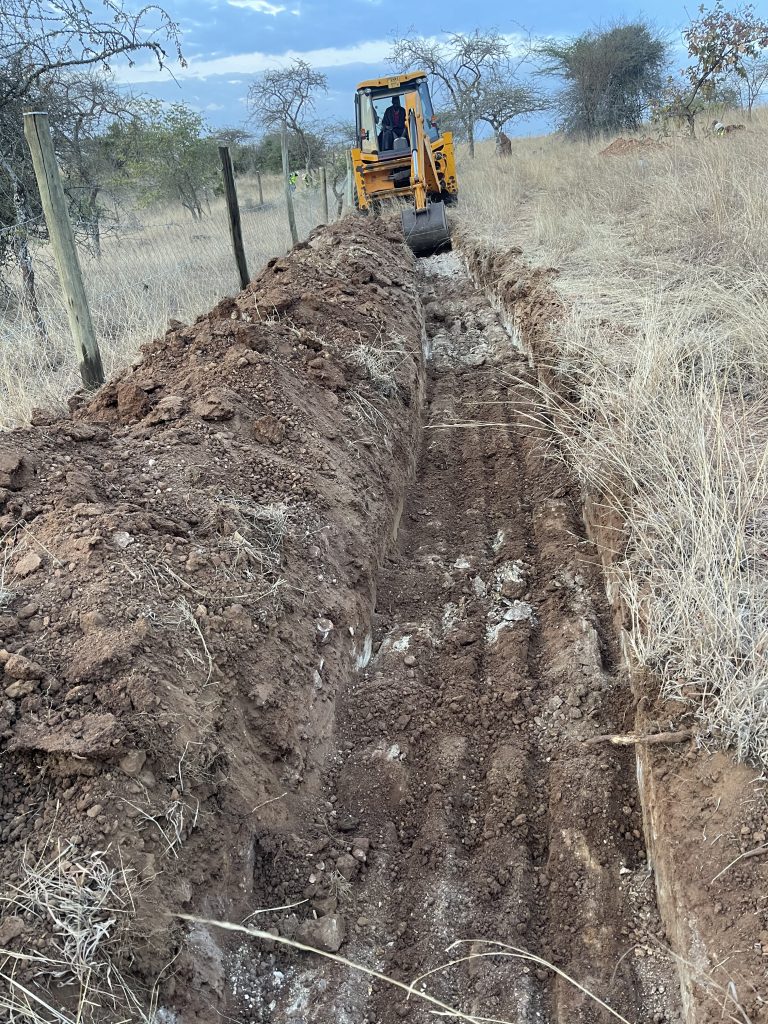
Through our partnership with EARN we kicked off the implementation of the demo farm designed by our staff members during their training at MainSprings Tanzania. Mr. Lazaro Paruason, an experienced permaculture expert from EARN visited SIEVE for a 3-day visit to provide guidance and oversee the initial set up of the permaculture demonstration farm. During his visit we managed to set up swales to slow, sink and spread rain water runoff harvesting it for use to regenerate and use at the demo farm. We also planted a variety of fruit trees, timber, nitrogen fixing and biomass trees along the swales. Among other activities was soil testing, digging of a water pan on site to capture rain water
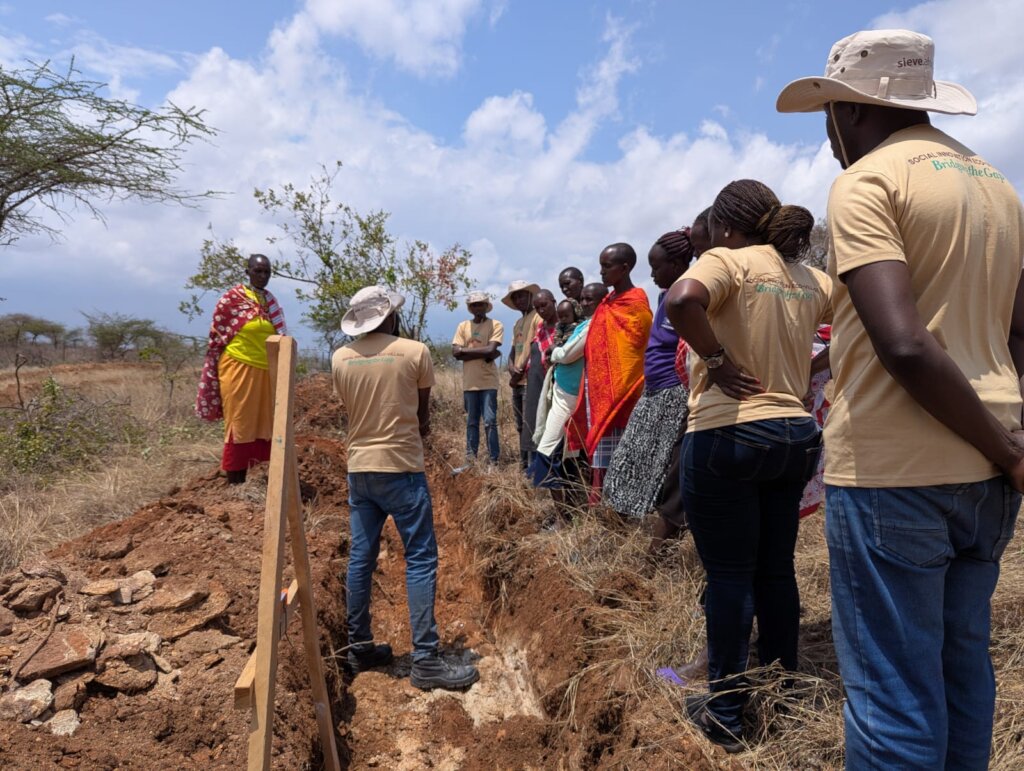
As a key component of the demonstration farm, we held a training session with 15 women form Enduata Community to introduce them to permaculture showcasing key important activities for the initial set up of a new farm taking account of starting by capturing the most important resource for any farm- water.
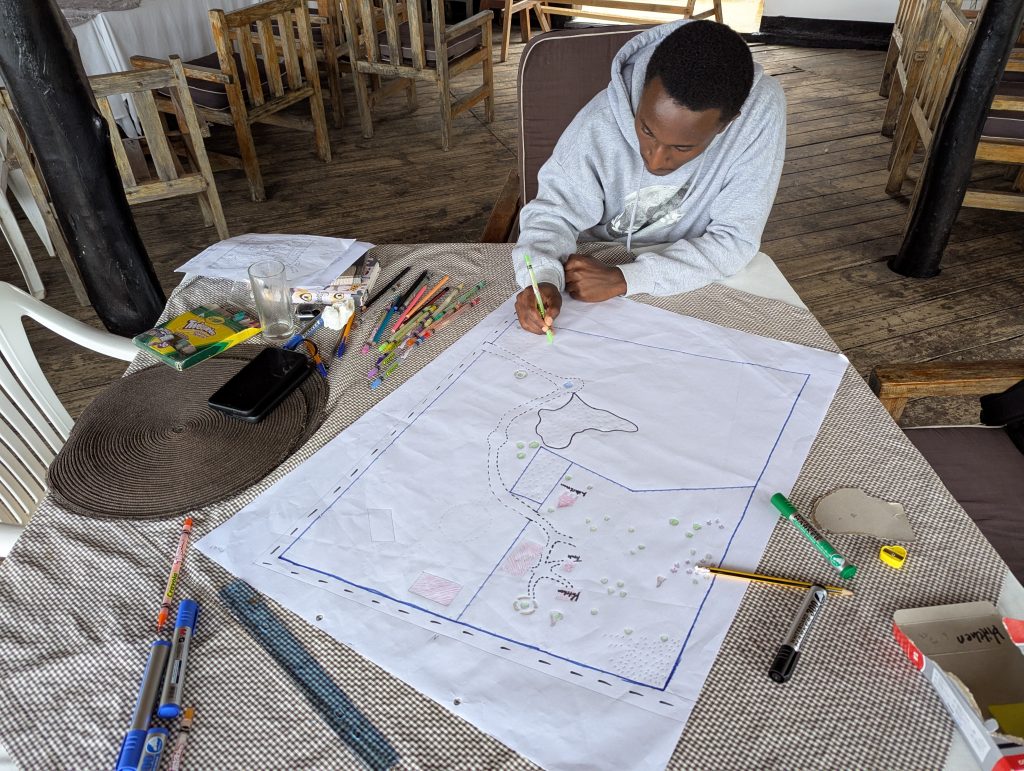
One of our staff designing the demofarm during the Permaculture Training
Lazaro Parauson leading the demofarm setup
Permaculture training at SIEVE demonstration farm
Water Harvesting
Water is an important resource for the functionality of the SIEVE project and Enduata community. With the area receiving an average of 250mm of rainfall each year there is need to irrigate crops and trees planted at the Eco Village and for overall use.
To tap on rainfall water, we have installed gutters around all constructed buildings to harvest rainwater through the building roofs that are channeled to tanks for distribution across the Eco Village. So far we have 32,000 litres of water storage capacity that lasts us between rains.
To further supplement our water storage capacity we dug a 200,000 litres storage capacity water pan to harvest rain water runoff. The water pan will be lined with a liner to prevent water seepage and increase the amount of water retained in the water pan.
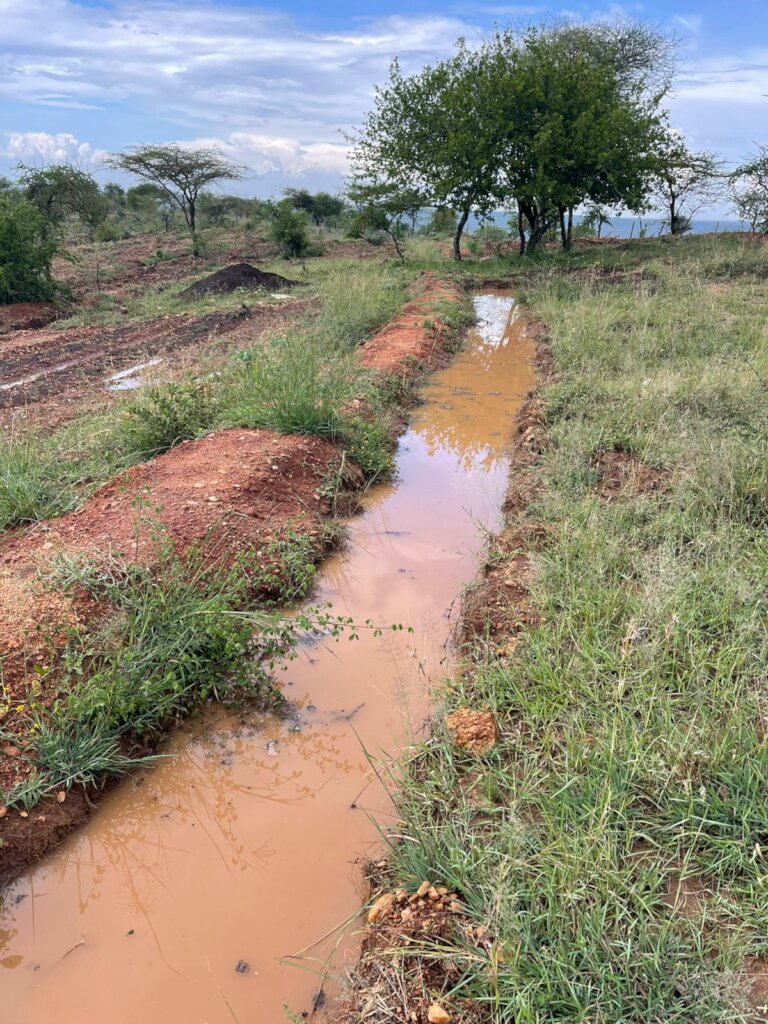
Rain water runoff harvested through swales
Rainwater harvesting from gutters
One of the swales to slow and spread runoff rainwater
Apiary Setup (BeeKeeping)
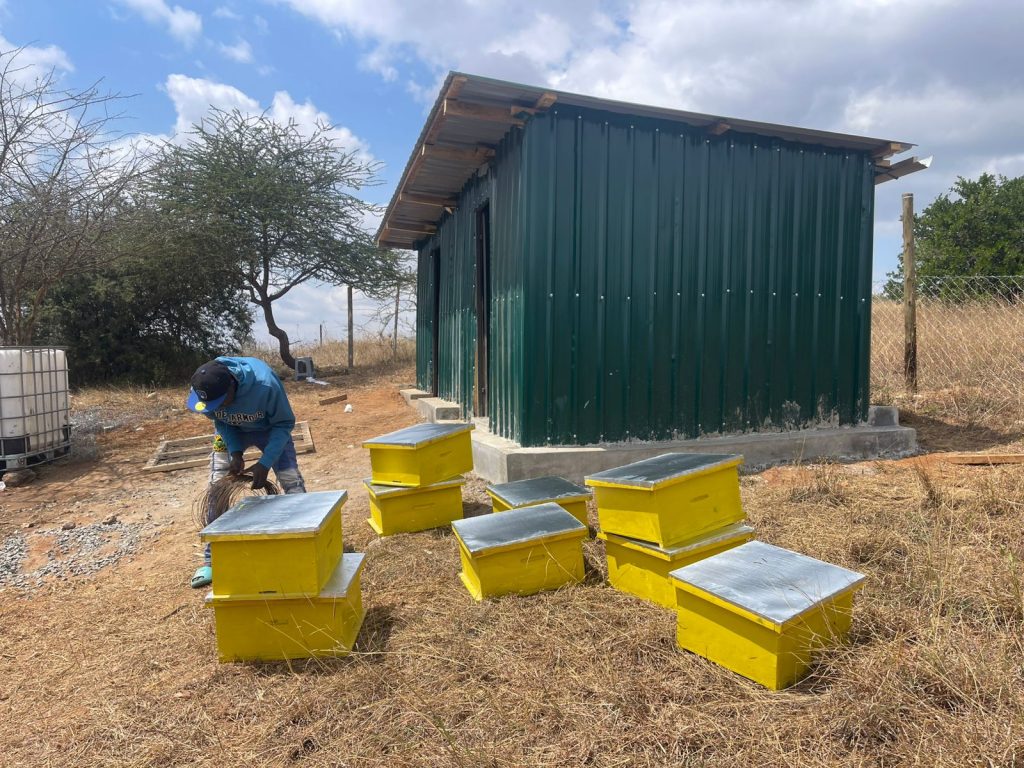
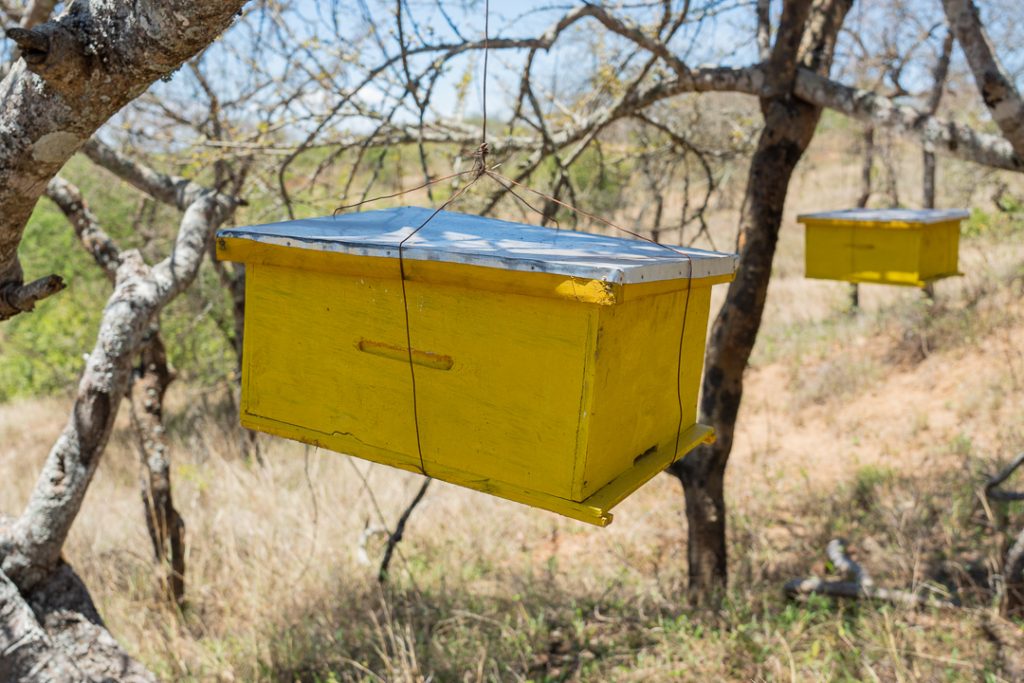
A central pillar of this ecosystem is our buzzing Apiary. Beekeeping at SIEVE serves as a dual engine for ecological health and local enterprise. The bees act as essential pollinators for our developing food forest while providing a sustainable livelihood through organic honey production. This ongoing project demonstrates the harmony we strive for: a landscape where livestock, insects, and humans coexist to create a circular economy. The initial phase of the beekeeping initiative at the SIEVE Centre is officially underway. We have successfully completed setup of 20 brooder units, establishing a robust foundation for the apiary’s growth. These units were strategically positioned to optimize colony health and ease of management. Thanks to favorable forage conditions and strong colony establishment, the hives have progressed rapidly. We are now entering the final stages of the production cycle and are prepared to begin our first honey harvest.
Newly built farm structure at the Eco Village
A couple of the 20 brooders installed
Call for Support
The SIEVE project is calling upon all our supporters, friends of our supporters, partners and stakeholders to contribute their resources both financially and in kind towards the realization of the SIEVE project mission of building resilient communities. Support our project through the GlobalGiving Platform here: